

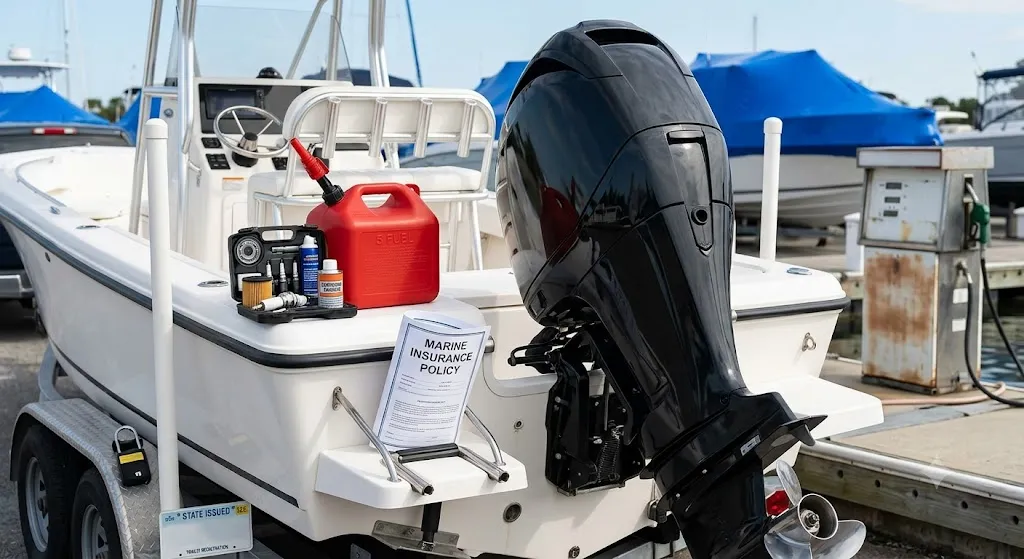
The number on the price tag is only the beginning of the story. Owning an engine involves fuel, service, storage, insurance, and plenty of small extras that sneak up quietly. Before you finalize any of the outboard motors for sale you have been eyeing, take a few minutes to understand the real cost of ownership over several seasons.
The Purchase Is Only the Start
Think of the initial price as a down payment on years of use. Accessories like propellers, control cables, gauges, and mounting hardware can add hundreds more, depending on how your boat is currently set up. Do the math early, and the rest becomes easier. Add these extras to your budget before you decide.
Ask exactly what is included. Some packages cover everything needed to hit the water, while others leave you shopping for essential parts. A clear list prevents unpleasant surprises at checkout or at the ramp.
Fuel: The Biggest Running Expense
Over a season, fuel usually outweighs every other recurring cost. Heavier use, higher speeds, and larger engines all multiply the total. A modest increase in cruising speed can cost far more than it seems. Small differences in fuel use add up over a long season.
Estimate your yearly hours and consumption before buying. Seeing the rough figure on paper helps you decide whether a larger, thirstier engine is truly sensible or merely tempting in the showroom. Speed is fun, but efficiency keeps the hobby sustainable.
Maintenance and Service Budgets
Plan for annual oil, filters, plugs, impellers, and gear lube. Performing simple tasks yourself saves money, while more complex work calls for a professional, whose hourly rate and parts markup should be factored in. Even a basic service kit costs less than an emergency tow.
A reasonable rule is to set aside a fixed amount each year for upkeep. If nothing breaks, you have a cushion. If something does, you are ready instead of stressed, and the boat stays in the water. A written plan beats guessing and keeps surprises small.
Storage, Registration, and Insurance
Marinas, dry racks, and trailer storage all carry different price tags. Compare options based on convenience and protection, not only monthly fees. A secure, covered spot often reduces wear and weather damage. Ask for a written quote so nothing is forgotten.
Registration, safety equipment, and insurance add predictable yearly costs as well. Review coverage details carefully, since policies differ on theft, towing, and liability. Understanding them avoids headaches after an incident. Shop around rather than accepting the first quote you receive.
Depreciation and Resale
Every engine loses value with time, though the rate varies. Popular, well-supported models tend to hold their worth better. A Mercury outboard in good condition with complete records often attracts buyers quickly when you decide to sell.
Protect resale value by maintaining service logs, keeping the engine clean, and storing it carefully. These habits cost little and can add a meaningful amount to your final selling price later on.
Hidden Costs Many Owners Forget
Trailer upkeep, ramp fees, replacement batteries, ropes, fenders, and cleaning supplies all quietly drain a budget. Individually, they look trivial, but combined they can equal a significant portion of the annual running cost. Small leaks in the budget sink big boats if left unchecked.
Keep a spreadsheet or notebook of every expense for one season. The totals often surprise people, and the data helps you plan intelligently the following year instead of relying on guesses. Write each receipt down, and the picture becomes surprisingly clear.
Warranty and Peace of Mind
A solid warranty acts like prepaid insurance against defects. Read the length, the coverage terms, and the conditions, such as required servicing intervals. Missing a scheduled service can sometimes weaken your protection. Be conservative with your guesses, and your plan will hold up in real life.
Extended coverage may be worth considering for heavy users. Compare its price against the likely cost of major repairs, and keep every receipt. Organized paperwork makes any future claim far simpler and faster.
Conclusion
Add the purchase price, accessories, and realistic yearly costs across five seasons. Divide by the number of days you expect to boat. This cost-per-day figure puts the whole decision into perspective.
If the number feels comfortable, proceed with confidence. If it feels heavy, consider a smaller or used option. Honest budgeting is the foundation of years of stress-free time on the water.
